
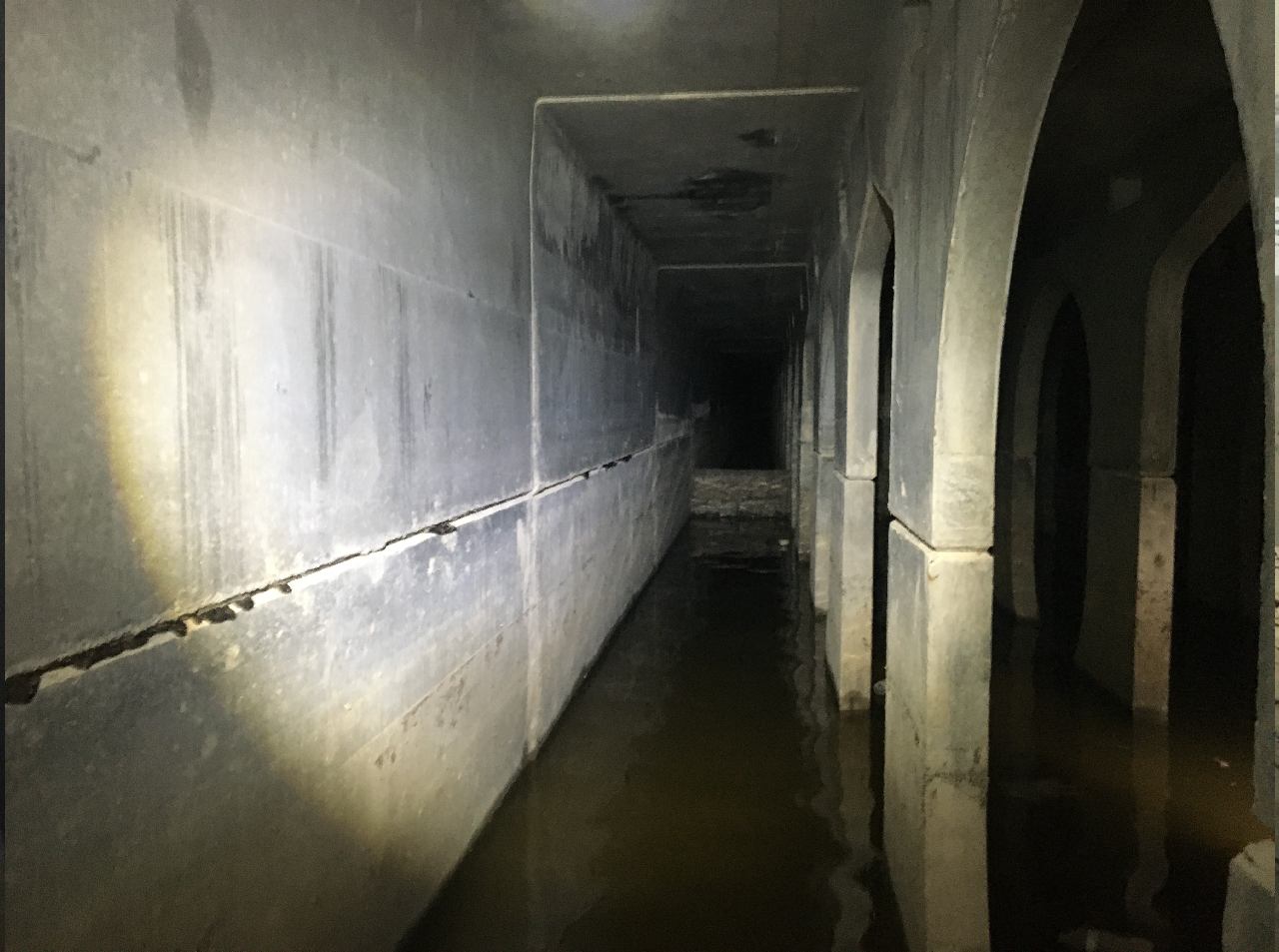
Underground detention systems play a critical role in stormwater management across Texas, particularly in rapidly growing metropolitan areas like Houston, Austin, and San Antonio. As development density increases and surface space becomes limited, these systems are often selected to control runoff, meet detention requirements, and protect downstream infrastructure. While underground detention offers clear site design advantages, it also presents unique and often underestimated maintenance challenges.
For property managers and engineers, understanding these challenges is essential. Poorly maintained underground detention systems can lose storage capacity, fall out of regulatory compliance, and create long-term operational risks that are far more costly than routine maintenance.
Why Underground Detention Systems Require Active Maintenance
Unlike surface ponds, underground detention systems are hidden from view. This makes issues harder to identify and easier to ignore until performance is compromised. Concrete vault systems, in particular, are designed for long service life, but they are not maintenance free.
Sediment accumulation, debris buildup, structural deterioration, and access limitations all affect system performance. Over time, these factors reduce effective storage volume and increase the risk of localized flooding or regulatory violations.
Texas municipalities expect underground detention systems to function as designed throughout the life of the site. Property owners remain responsible for inspection, maintenance tasks, and documentation regardless of whether the system is visible.
Common Maintenance Challenges in Concrete Vault Systems
Sediment Accumulation and Loss of Storage Volume
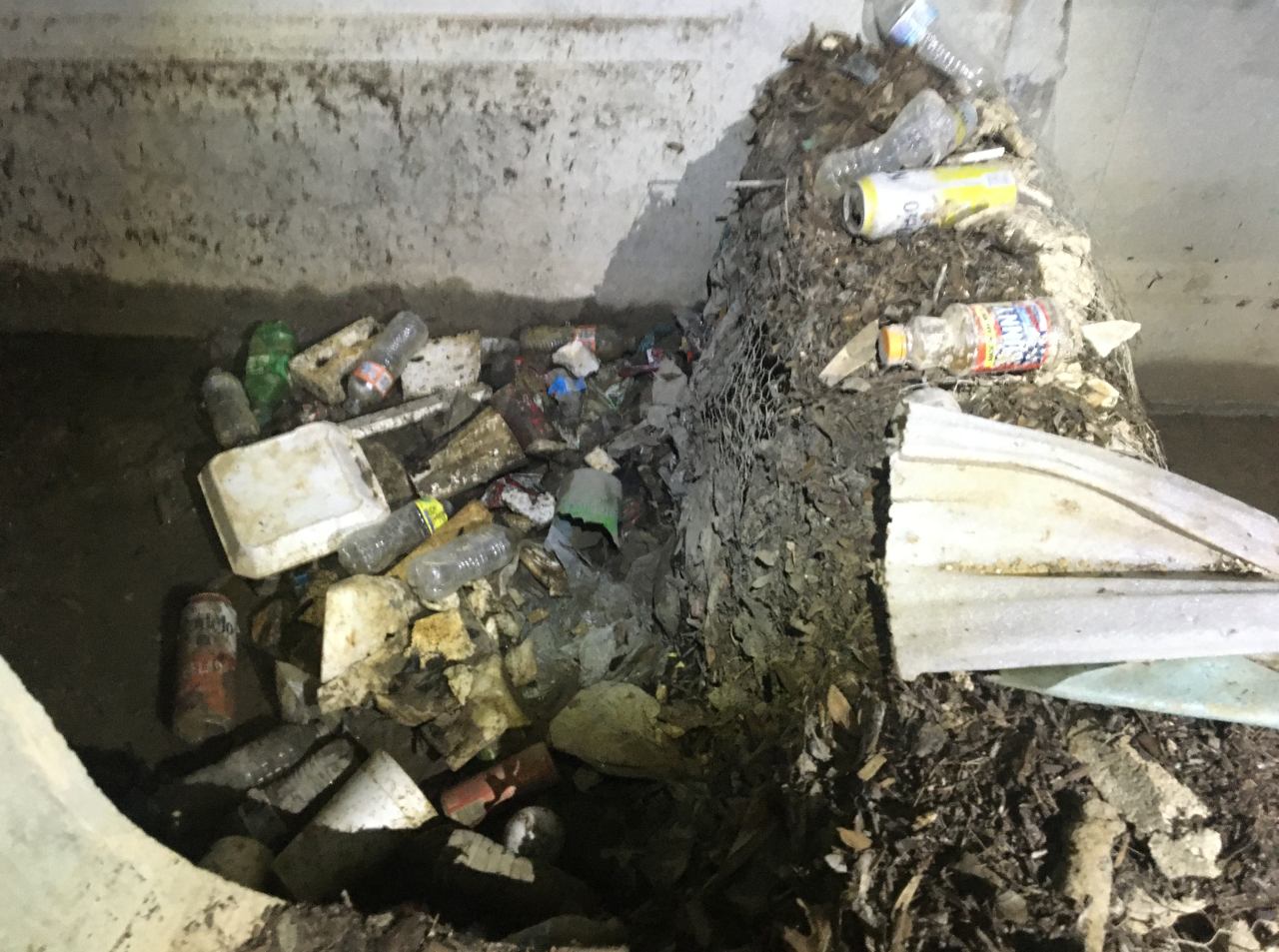
Concrete vault detention systems rely on open internal volume to temporarily store stormwater. Over time, sediment enters the system through upstream inlets, catch basins, and storm piping. Without routine cleaning, sediment settles on the vault floor and gradually reduces available detention volume.
In Houston, where fine silts and clays are common, sediment accumulation can occur rapidly after large rain events. Austin sites often experience sediment loading from limestone soils and construction activity. San Antonio sites face similar challenges in areas with active redevelopment.
Once sediment reduces storage capacity, the system no longer meets its permitted detention volume. This can lead to downstream surcharge, surface flooding, or failure during major storm events.
Limited Access and Confined Space Constraints
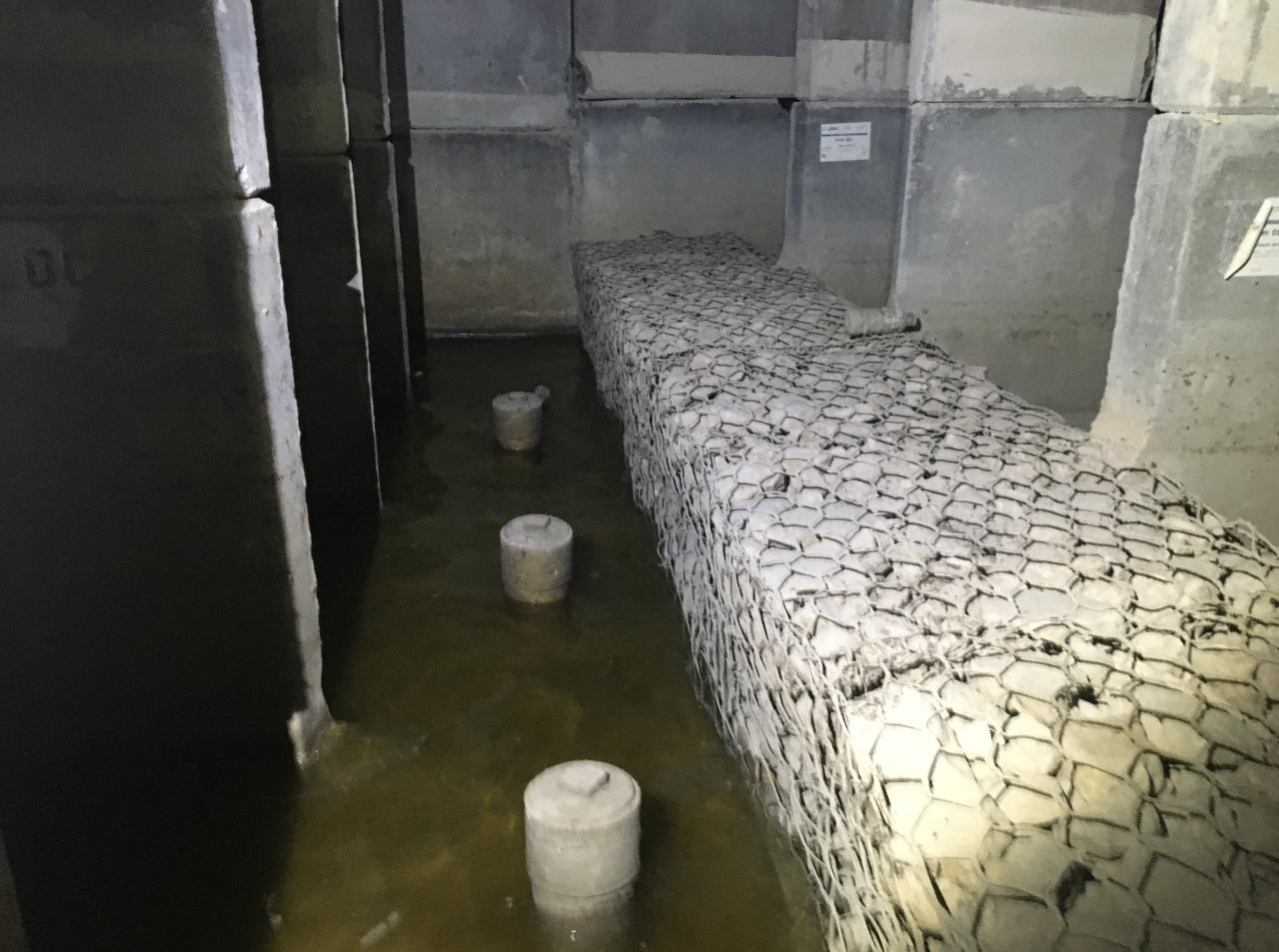
Concrete vault systems typically have limited access points through manholes or access hatches. These openings are necessary for inspection and maintenance, but they also create logistical challenges.
Confined space entry protocols are required, along with specialized equipment and trained personnel. This increases the complexity and cost of maintenance compared to surface facilities. In many cases, access limitations result in deferred maintenance because property owners underestimate the effort involved.
Deferred maintenance is one of the most common reasons underground systems fail to perform as intended.
Structural Deterioration and Joint Issues
While concrete vaults are durable, they are not immune to wear. Over time, joints, seams, and interior surfaces can deteriorate due to moisture, abrasion from sediment, and chemical exposure from urban runoff.
Cracking, joint separation, or infiltration can lead to unintended water loss, soil migration, or structural instability. These issues are rarely visible from the surface and often go undetected without internal inspections.
Early identification allows for targeted repairs rather than full system rehabilitation.
Debris and Trash Accumulation
Underground detention systems often receive trash and organic debris, especially in commercial and industrial areas. Floating debris can clog outlet structures, restrict orifice plates, and alter discharge rates.
When outlet controls are compromised, detention systems may release water too quickly or too slowly, both of which can create compliance issues with municipal design standards.
Trash accumulation is particularly common in Houston and San Antonio due to high rainfall intensity and dense urban development.
Regulatory Expectations in Texas Cities
Houston and Harris County
The City of Houston and Harris County Flood Control District require private stormwater detention systems to be maintained to function as designed. Maintenance responsibility remains with the property owner and must include regular inspections and cleaning as needed.
Failure to maintain detention systems can result in enforcement actions, required corrective measures, or complications during permit renewals and redevelopment.
Houston’s emphasis on flood risk reduction has increased scrutiny on private detention infrastructure, especially underground systems that are difficult to visually assess.
Austin and the Edwards Aquifer Region
Austin’s drainage criteria manual places strong emphasis on long-term performance and maintenance of stormwater controls. Underground detention systems serving sites within environmentally sensitive areas, including the Edwards Aquifer recharge zone, are expected to remain fully functional.
Sediment control, inspection documentation, and maintenance access are key considerations. Poor informing systems may lead to additional review during site plan updates or redevelopment.
San Antonio and Bexar County
San Antonio’s Unified Development Code requires detention systems to be maintained to prevent adverse impacts to public infrastructure and downstream properties. Underground detention systems are subject to inspection and must comply with approved design criteria.
As redevelopment increases in urban corridors, maintenance records are increasingly important during permitting reviews and property transactions.
Comparison to Other Underground Systems
While this blog focuses on concrete vault detention systems, many of the same challenges apply to other underground detention types, including modular plastic chambers, CMP systems, and HDPE systems.
Each system type presents unique access and cleaning considerations, but all share the same fundamental requirement. If sediment and debris are allowed to accumulate, performance will decline.
Concrete vaults often allow for more robust cleaning and inspection than some modular systems, but only if access points are properly used and maintenance is scheduled.
Why Maintenance Is Often Overlooked
Underground detention maintenance is frequently overlooked for three primary reasons:
- The system is out of sight and assumed to be functioning
- Maintenance responsibilities are unclear after construction
- Property managers are unfamiliar with system design and access requirements
Engineers often specify maintenance in project documents, but those details are rarely transferred clearly to long-term site operators. This gap creates risk over time.
Best Practices for Managing Underground Detention Systems
Effective management starts with understanding the system layout, access points, and design storage volume. Regular inspections following major storm events and on a scheduled basis are essential.
Maintenance should include sediment depth measurements, debris removal, outlet structure inspection, and documentation of findings. Cleaning should be performed before sediment accumulation significantly reduces storage capacity.
Working with experienced stormwater maintenance providers ensures confined space protocols are followed and cleaning is performed without damaging structural components.
How Stormwater Professionals Group Can Help
Stormwater Professionals Group provides inspection, maintenance, and cleaning services for underground detention systems throughout Houston, Austin, and San Antonio. Our team understands the operational challenges of concrete vault systems and the local regulatory expectations that property owners and engineers must meet.
We focus on practical, field-based solutions that restore performance, protect storage volume, and reduce long-term risk. Whether your system requires routine inspection or corrective maintenance, our experience across Texas allows us to approach each site with clarity and efficiency.
To learn more or to discuss your underground detention system, contact Stormwater Professionals Group.