
If your detention pond still holds water days after a storm, it is more than a cosmetic issue. For facility managers in Texas, standing water can signal reduced storage capacity, compliance concerns, and a higher risk of flooding during the next rain event. In fast growing regions like Houston, Austin, and San Antonio, stormwater ponds are critical infrastructure assets. When they do not drain as designed, the consequences can be costly.
This article explains the most common reasons ponds fail to drain properly after storms, why these issues are especially common in Texas, and what facility managers can do to address them before they turn into larger problems.
What a Pond Is Supposed to Do After a Storm
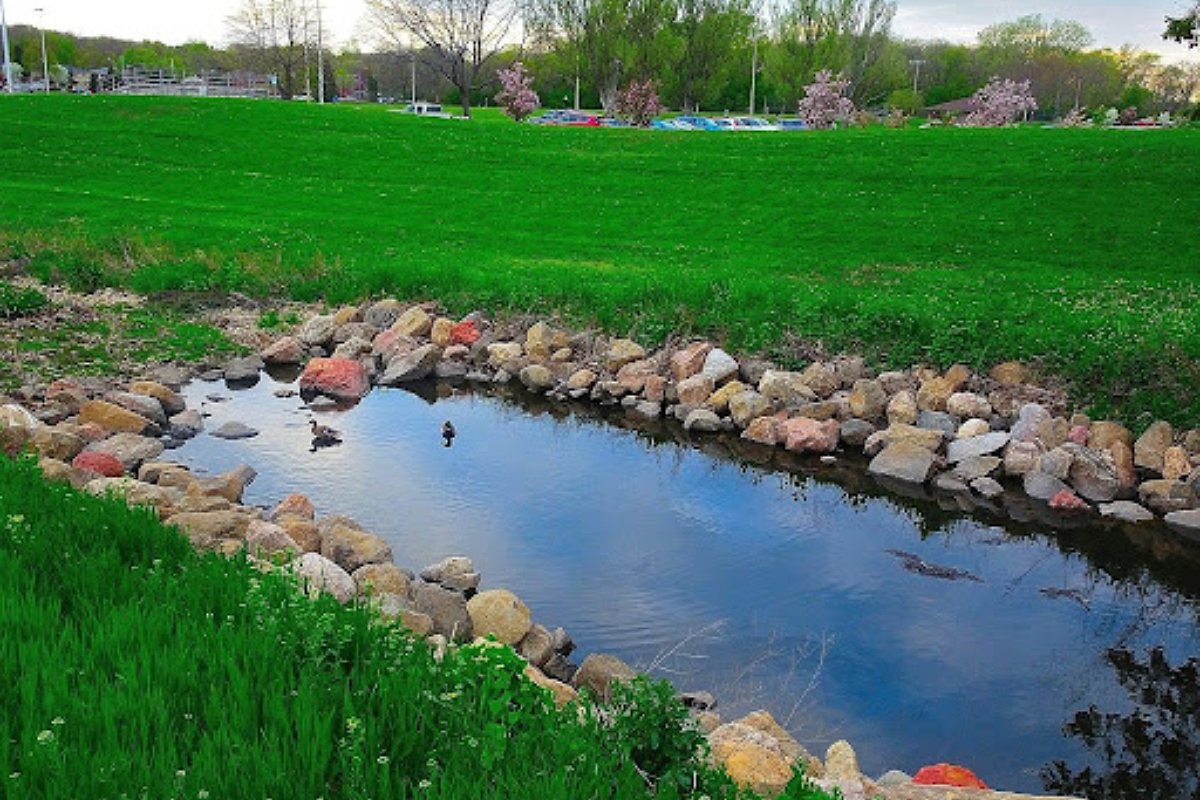
Most stormwater ponds are designed to temporarily store runoff and release it at a controlled rate. Detention ponds typically drain within 24 to 72 hours. Retention ponds may hold water longer but still rely on functioning outlets to manage storm volumes.
When water remains well beyond the intended drawdown time, it often indicates that one or more components of the system is no longer functioning as designed.
Clogged or Damaged Outlet Structures
The most common reason a pond does not drain is a blocked outlet structure.
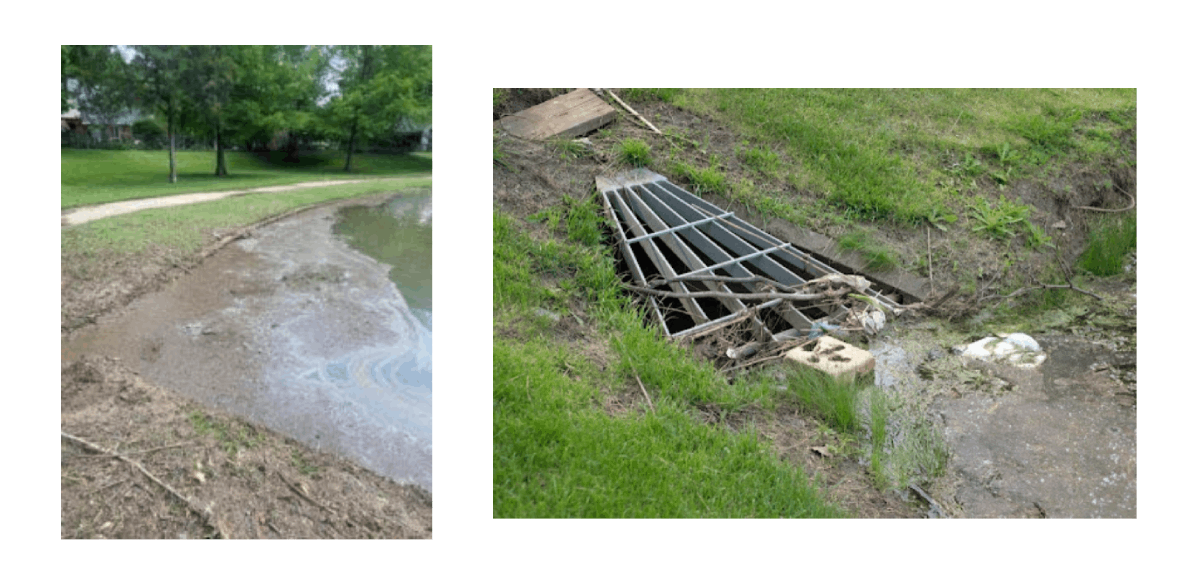
Outlet pipes, riser structures, and orifice plates can become clogged by debris, trash, vegetation, or sediment. After intense Texas rain events, debris loads are often higher due to upstream erosion and street runoff.
Common warning signs include:
- Visible debris around the outlet
- Water ponded above the normal operating elevation
- Slow or no visible discharge after storms
In urban areas like Houston and San Antonio, even small blockages can significantly affect performance due to flat terrain and limited downstream slope.
Sediment Accumulation Reducing Storage Capacity
Over time, sediment settles at the bottom of a pond. Without routine maintenance, this buildup reduces effective storage volume and can interfere with outlet elevations.
In Central and South Texas, clay-rich soils erode easily during heavy rain events. Construction activity upstream accelerates this process, especially in rapidly developing areas around Austin.
As sediment builds up:
- Water reaches the outlet crest sooner
- Drawdown times increase
- Ponds appear full even after moderate storms
Sediment accumulation is gradual, which is why many facility managers do not notice the problem until drainage performance is clearly impacted.
Vegetation and Root Intrusion
Vegetation plays a role in erosion control, but unmanaged growth can restrict drainage.
Woody vegetation, invasive species, and root systems can obstruct outlet structures or damage pipes. In warm Texas climates, vegetation grows aggressively for much of the year, increasing the likelihood of blockage if mowing and maintenance are deferred.
Vegetation issues often appear as:
- Dense growth around outlet structures
- Roots penetrating concrete or metal components
- Restricted flow paths within the pond
Structural Damage or Aging Infrastructure
Many ponds across Texas were built decades ago and are now reaching an age where components begin to fail.
Common structural issues include:
- Cracked or collapsed outlet pipes
- Separated joints
- Corroded metal structures
- Settlement that alters pipe slopes
These issues are especially common in older developments around Houston and San Antonio where infrastructure has been exposed to repeated flood cycles.
Increased Runoff From Upstream Development
Stormwater ponds are designed for specific drainage areas and runoff volumes. When upstream land use changes, ponds may be overwhelmed.
Additional impervious surfaces such as parking lots, rooftops, and roadways increase runoff volume and speed. Even if the pond itself has not changed, upstream development can cause longer ponding durations and higher water levels after storms.
This is a growing concern in fast developing regions surrounding Austin, San Antonio, and suburban Houston.
Compliance and Regulatory Considerations in Texas
Municipal stormwater programs in Texas often require ponds to function as designed to meet local and federal requirements. Extended standing water can raise concerns related to:
- Flood risk
- Water quality performance
- Maintenance compliance
- Inspection documentation
Facility managers are often responsible for demonstrating that stormwater assets are being properly maintained. A pond that does not drain can draw unwanted attention during audits or inspections.
Why Routine Pond Inspections Matter
Many of these issues are preventable or manageable with routine inspections and maintenance. Regular pond inspections can identify:
- Early signs of clogging
- Sediment accumulation trends
- Structural damage
- Vegetation issues before they affect performance
- Issues with connections to public infrastructure
In Texas, inspections are especially important after major storm events, when debris and sediment loads are highest.
Maintenance and Repairs Are Not One Size Fits All
There is no universal fix for a pond that does not drain. Some ponds require simple debris removal. Others may need sediment dredging, structural repairs, or outlet retrofits.
Understanding the root cause is critical. Attempting surface level fixes without a proper inspection often leads to recurring problems and higher long-term costs.
Taking the Next Step
If your pond consistently holds water after storms, it is a signal that the system needs attention. In regions like Houston, Austin, and San Antonio, where rainfall patterns, soil conditions, and development pressures are unique, proactive pond management is essential.
Stormwater ponds are long-term assets. With proper inspections, maintenance, and targeted repairs, they can continue to perform as intended and protect your site for years to come.
If you have questions about your pond’s performance or want a clearer understanding of what is happening after storms, a professional inspection is often the most effective place to start.