
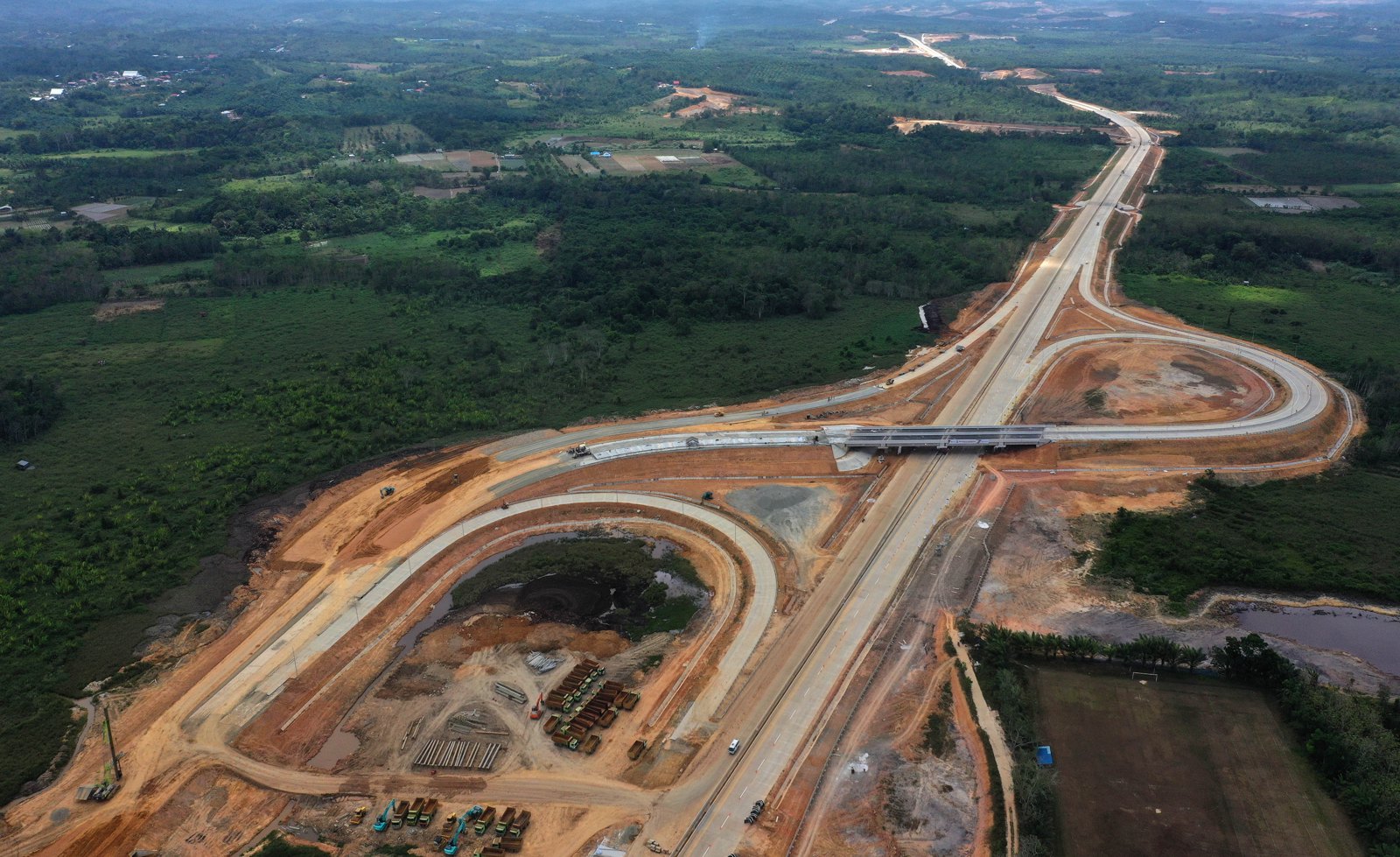
A Stormwater Pollution Prevention Plan (SWPPP) is required for most construction projects that disturb one or more acres of land under the TCEQ Construction General Permit (TXR150000). Stormwater Professionals Group prepares site-specific SWPPPs for construction sites across Houston, Harris County, and Central Texas, and we keep them current through construction so your project stays covered from the first cut to final stabilization.
Is a SWPPP required in Texas?
Yes, for most construction. Under TCEQ’s Construction General Permit (TXR150000), any project that disturbs 1 acre or more, or is part of a larger plan that will, needs a SWPPP in place before work starts. Sites of 5 acres or more also file a Notice of Intent. Sites of 1 to 5 acres post a signed site notice instead.
| Site size disturbed | What you need | TCEQ fee |
|---|---|---|
| Under 1 acre, not part of a larger plan | No TCEQ construction permit (local rules may still apply) | None |
| 1 to under 5 acres | SWPPP + signed Small Construction Site Notice, posted 2 days before starting | None |
| 5 acres or more | SWPPP + Notice of Intent + Large Construction Site Notice | $225 online / $325 paper |
Some industrial facilities need a separate industrial SWPPP. See Do I Need an Industrial SWPPP Permit?
When you need a SWPPP
If your project disturbs one acre or more, or is part of a larger common plan of development that does, you need permit coverage and a SWPPP on site before earthwork begins. A smaller site can still be pulled in when it is part of a larger development. We help you file the Notice of Intent (NOI), post the required documentation, and keep the plan current as the site changes.
What are the SWPPP requirements in Texas?
A Texas SWPPP has to be written and in place before construction starts, and kept current until the site is stabilized. It describes the site and how it drains, maps every control and the concrete washout area, lists erosion and sediment controls, sets the inspection schedule, and its records are kept 3 years after the permit ends.
What the plan must include
- Site description, construction sequence and acres disturbed
- Site map showing drainage, controls, discharge points and concrete washout areas
- Erosion, sediment and good-housekeeping controls, and when each goes in
- A sediment basin (or equal controls) where 10 or more disturbed acres drain to one spot. See our 10-acre sediment basin page.
- Maintenance steps, including removing sediment before a trap or basin loses half its capacity
- The inspection schedule and report form
- Names of every operator, and of the storm sewer operators who got a copy of the NOI
What gets posted and filed
- Large or Small Construction Site Notice, posted where the public can see it until final stabilization
- Notice of Intent for 5+ acre sites; Notice of Termination once the site is stabilized
What records you keep
- The SWPPP, inspection reports and the site notice, for 3 years after the Notice of Termination
What’s in a SWPPP we prepare
- Site and drainage description with a SWPPP site map.
- Best Management Practice (BMP) selection for erosion, sediment, and good-housekeeping controls.
- Inspection schedule, recordkeeping forms, and corrective-action procedures.
- NOI and NOT filing support and permit close-out at final stabilization.
How often are SWPPP inspections required in Texas?
TCEQ’s construction permit gives two schedules. Inspect at least once every 14 calendar days and within 24 hours after a storm of 0.5 inch or more. Or inspect at least once every 7 calendar days, rain or not. Areas that are stabilized drop to once a month. The SWPPP must say which schedule the site follows.
| Schedule | How often | Rain trigger |
|---|---|---|
| Standard | At least every 14 calendar days | Also within 24 hours after 0.5 in. or more of rain. If that window falls outside working hours, by the end of the next business day. |
| Alternative | At least every 7 calendar days | None; inspect on schedule rain or not |
| Stabilized areas | At least once a month | None |
You can switch schedules at most once a month, in the first 5 business days, and the reason has to be written in the SWPPP. Every SWPPP we prepare sets the schedule and includes the report form and corrective-action steps.
Once the site is stabilized and the permit closes out, we maintain the detention ponds and stormwater facilities that stay behind. See our detention pond maintenance services.
SWPPP and SWQMP: two different plans
A SWPPP controls erosion and sediment during construction under the state construction permit. A Stormwater Quality Management Plan (SWQMP) addresses water quality after the project is built, under City of Houston and Harris County rules. Many Houston-area projects need both, and we prepare and manage each one.
Frequently asked questions
What is the difference between a SWPPP and a SWQMP?
A SWPPP is a construction-phase plan that controls erosion and sediment while a site is being built. A SWQMP is a post-construction plan that keeps pollutants out of stormwater once the project is finished and in use. They are separate requirements, and larger Houston-area projects often need both.
How much does a SWPPP cost?
It depends on the size and complexity of the site and how many controls it needs, so we price each SWPPP to the project rather than a flat rate. Send us your acreage and site details and we will put together a quote.
Who does SWPPP inspections?
The site operator is responsible for them. TCEQ doesn’t require a license or certification. Whoever inspects must know the construction permit, the work going on at the site, and that site’s SWPPP. Contractors often assign their own superintendent or another staff member, and some hire an outside inspection firm.
What happens if a construction site does not have a SWPPP?
Operating a regulated construction site without permit coverage and a SWPPP can lead to TCEQ enforcement, fines, and stop-work exposure. TCEQ can assess administrative penalties of up to $25,000 a day for each violation. Having the plan in place and inspections documented is the simplest way to avoid that.
Need a SWPPP for an upcoming project? Contact SPG or call (832) 554-6654.